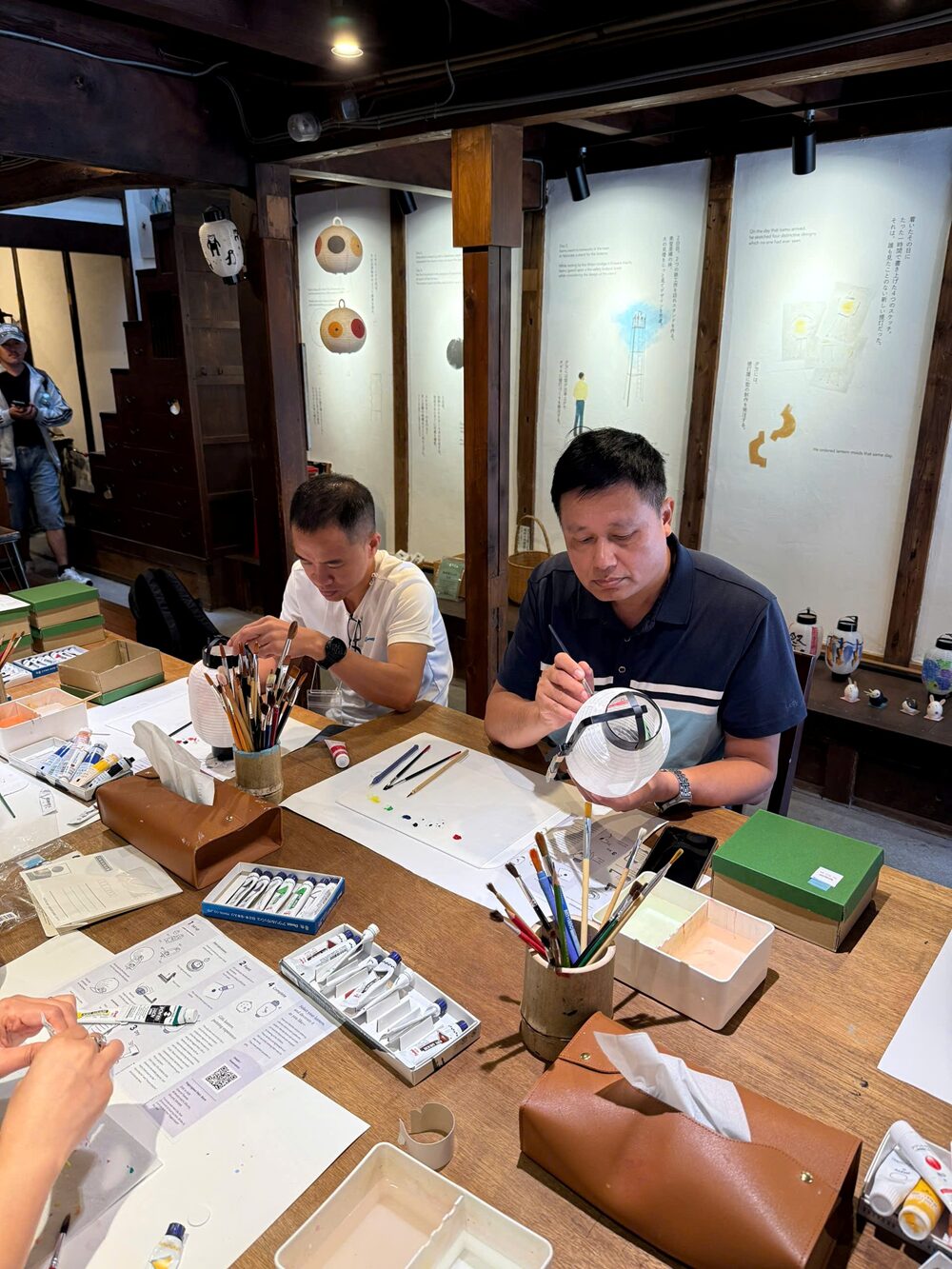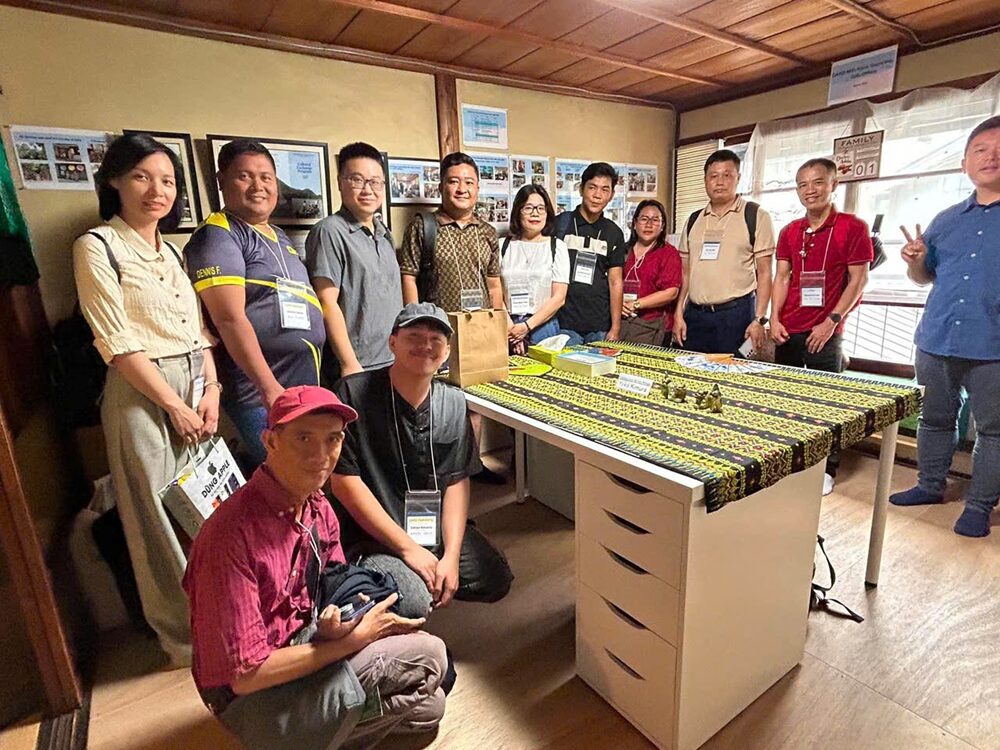
From 31 August to 4 September 2026, a delegation of staff from Tinh Thuong One-Member Limited Liability Microfinance Institution (TYM) participated in an exposure program on economic development models linked to cultural preservation in Gifu City, Japan. The trip provided the delegation with new perspectives on how to support communities and local people in developing their livelihoods and economies, while exploring experiences that may be relevant to TYM’s operations.
During their visit to Japan, the delegation visited NPO ORGAN, an organization supporting community development in the Nagara River basin. The delegation learned about the organization’s structure, working methods, and how NPO ORGAN connects local resources to support businesses and local people in developing economic activities linked to cultural and natural resource preservation.
The delegation also visited CASA Stella, a facility originally used for traditional Washi paper production, which was later renovated into a cultural and local experience space. This model demonstrates how existing community resources can be utilized and traditional products connected with services and markets to create additional economic value while preserving local identity.
In addition, the delegation explored several distinctive cultural models, traditional crafts, and products of Gifu City, including Wagasa umbrella making, traditional cormorant fishing, Ikebana flower arrangement, and Shodo calligraphy. These activities helped the delegation gain a deeper understanding of how cultural values and traditional occupations are preserved and integrated into community life.
Through these practical activities, the delegation focused on learning how an intermediary organization connects local authorities, businesses, communities, and local people to leverage local strengths, create livelihood development opportunities, and preserve cultural values.
These experiences provide useful references for TYM to further explore ways to support its clients, particularly low-income and vulnerable women, not only through financial support but also by promoting production and business development, strengthening resilience, and improving access to green economic opportunities.
The study trip broadened TYM staff’s perspectives on local development models and strengthened international exchange and learning, helping TYM improve its support for clients in the future.
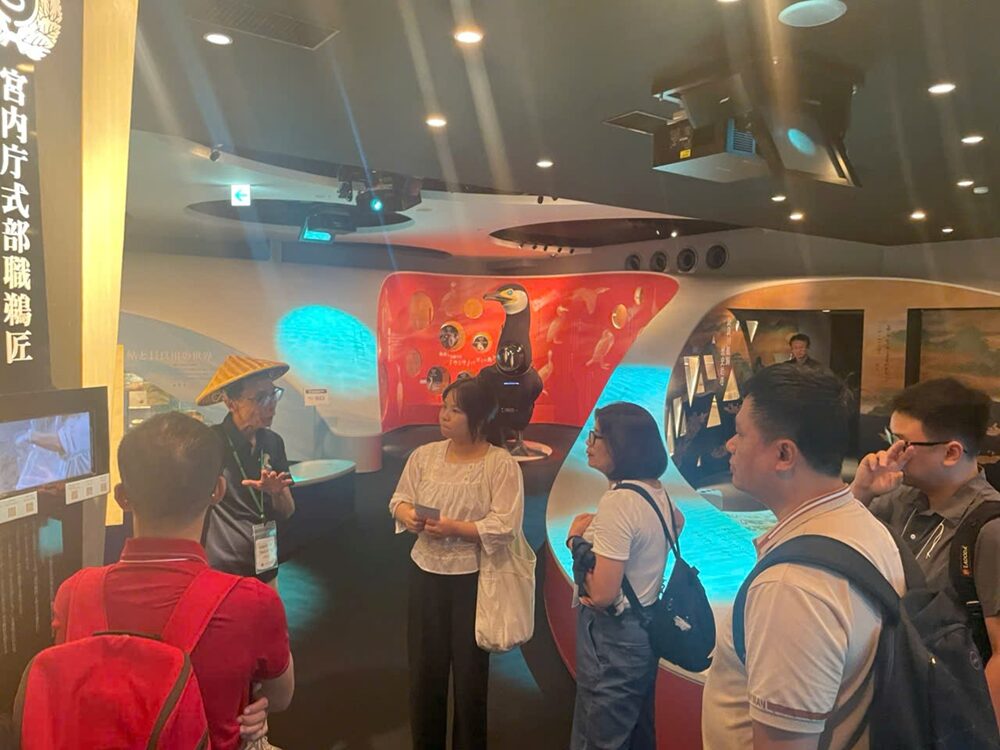
The delegation explored the preservation of traditional cormorant fishing on the Nagara River, a cultural heritage practice linked to education, experiential activities, and local economic development.